
GOVERNMENT,
VIRTUE AND THE VOTE
Democracy is more than self-government. It is a society's collective ability to never stop saying to itself and others, "we will take care of you". It is the ability to care that gives democracy a moral authority higher than any system of government humanity has yet designed. At the core of this authority is our capacity for political judgment, which in democracies is enshrined in the right to vote. The frequency of climate events worldwide has pushed at least three generations into a state of profound, heightened awareness of what it means to live with and without rights on an imperiled planet. It has compelled them to ask the big, bold, classical questions of moral and political life that can sometimes help us solve the smallest puzzles of living well in an increasingly unequal, hotter world. We nurture these citizens of the future at The Democracy Institute: scientifically trained leaders and civic thinkers who are witnesses to the ambiguities of the modern technological story and whom we now prepare to shape the language of America’s democratic faith and the future of government worldwide.
California State University & Polytechnic in Pomona, an R2 university nestled in the San Gabriel Mountains and Valley in Los Angeles, is one of the most important incubators of national talent in the sciences and public humanities. Cal Poly, as the university is often called, is one of only three polytechnic institutions in the California State University system and stands consistently among the top six institutions across the United States for its success in fostering social mobility. We are an institution where the American social contract and its pursuit of happiness can be witnessed in action.
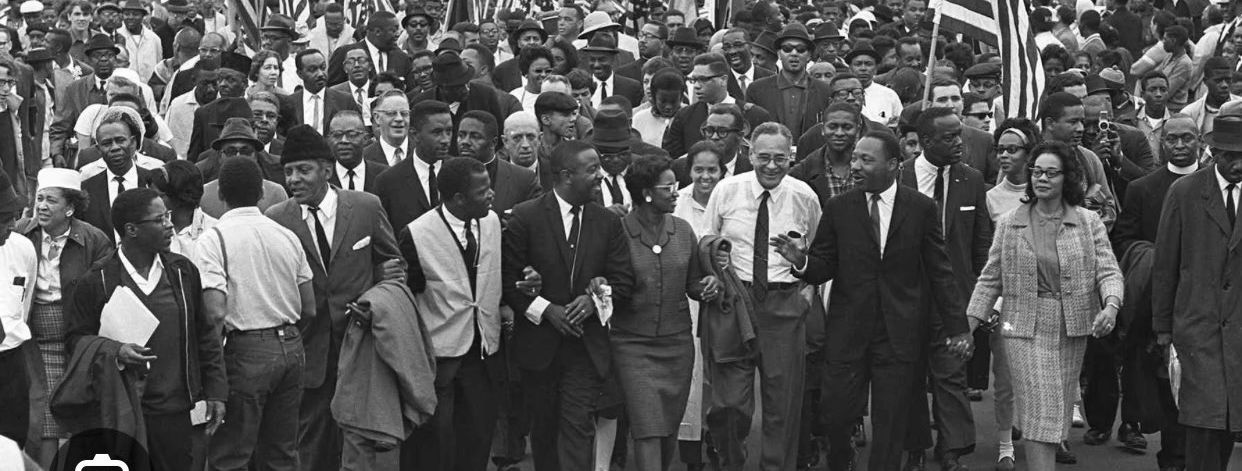
Democratic Visions
To stand for democracy—politically and intellectually—today requires us to not only investigate the deficiencies of the original social contract and constitutional compact but also probe the militaristic, populist, and racialized energies that its contemporary global fraying has taken. At The Democracy Institute, we conduct investigations of these political forms and rhetorics in order to shape democratic and planetary priorities for coming generations.
The Institute’s work is rooted in the existential facts of human history and in the new perils of our political future. After all, never before have matters related to history and politics been so interwoven with the future of the planet than they are now. How must our fraying social contract and civic institutions respond to this new peril? What new conceptions of life and happiness must we think of, now that the human has shown a capacity to morph into something wholly other than itself?
The Democracy Institute generates and provokes conversations on these interlinked and global questions of political thought and moral philosophy, of history and civic institutions, of theology and technology. Above all, it asks: what would a democracy without and after this new mode and epoch of violence look like? A non-violent democracy, in other words? The Institute is committed to preparing next-generation student-scholars in the art of thinking on global, transdisciplinary scale.
OUR WORK





OUR LEADERSHIP
Who's steering the vision